


 English
 Español
 Deutsch


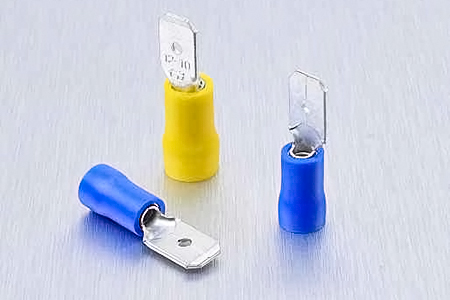
As global industries move toward electrification, automation, and compact equipment design, discussions about connection reliability are becoming more prominent across overseas markets. In professional forums, technical blogs, and procurement communities, Blade Terminals Connectors are increasingly viewed as critical components rather than simple accessories. At the same time, attention is growing around how insulation and structure influence safety, maintenance efficiency, and overall system stability.
The Shift Toward Detail-Oriented Electrical Design
Modern electrical systems demand more than basic connectivity. Designers and engineers now approach wiring layouts with a system-level mindset, where every connection point affects performance and safety.
This shift has changed how terminals are evaluated. Instead of focusing only on size compatibility, buyers are considering contact stability, insulation integrity, and long-term reliability. Such priorities reflect a broader trend toward precision and accountability in global manufacturing.
Why Connection Quality Impacts System Performance
In many applications, unstable connections can result in intermittent signals, energy loss, or unexpected shutdowns. These issues are particularly challenging in environments with vibration, frequent switching, or compact layouts.
Blade-style connectors are often discussed for their ability to provide consistent contact pressure while remaining easy to assemble and replace. Their structure supports secure engagement, which helps maintain stable current flow and reduces the risk of connection-related faults.
Safety Standards Influencing Terminal Selection
Safety awareness continues to rise across international markets. Regulatory frameworks and internal quality standards increasingly emphasize clear insulation and organized wiring to minimize installation risks.
Insulated terminals play an important role in supporting these goals. By reducing exposed conductive surfaces, they help installers work more confidently and reduce the likelihood of accidental contact. This is especially relevant in control panels, power distribution systems, and commercial equipment where multiple circuits operate in close proximity.
Installation Efficiency and Project Timelines
On overseas construction and manufacturing sites, installation speed directly affects project schedules. Contractors and system integrators often discuss how component choice can simplify or complicate wiring work.
Well-designed terminals support smooth crimping, consistent fit, and easier visual inspection. These features help reduce rework and improve overall efficiency, making them attractive options for projects with tight timelines or limited labor resources.
Material Considerations and Manufacturing Stability
Another frequent topic in global sourcing discussions is material reliability. Conductivity, resistance to corrosion, and mechanical strength all influence how a terminal performs over time.
Manufacturers that maintain stable production processes and consistent material selection tend to earn greater trust from overseas buyers. This consistency supports predictable performance, which is especially important for export-oriented projects operating in varied environments.
Adaptability Across Diverse Applications
Electrical terminals are used in a wide range of industries, from household appliances and lighting systems to industrial automation and transportation equipment. Each application brings different demands related to current levels, environmental exposure, and maintenance access.
Products that can adapt across multiple scenarios without complex redesign offer clear advantages. This adaptability simplifies sourcing decisions and supports long-term cooperation between manufacturers and distributors.
Long-Term Value in a Competitive Market
Global buyers are increasingly focused on long-term value rather than short-term savings. A reliable connection solution can help extend equipment lifespan and reduce maintenance frequency.
This approach aligns with international trends toward sustainable manufacturing and responsible resource use. Durable terminals contribute to fewer replacements and more stable system operation, supporting both economic and environmental goals.
Trust Built Through Practical Performance
In competitive global markets, trust is built through consistent performance rather than marketing language. Terminals that perform reliably in real-world conditions naturally earn repeat business and positive reputation.
Manufacturers that emphasize usability, quality control, and responsive communication tend to align well with the expectations of overseas customers seeking dependable partners.
As electrical systems continue to evolve, connection quality remains a foundational concern for designers and buyers alike. Careful terminal selection supports safety, efficiency, and system reliability across diverse applications. While Blade Terminals Connectors provide dependable structural contact, Insulated Pin Terminals offer added protection and organization for modern wiring environments. Together, they reflect how attention to connection details can strengthen overall electrical system performance in today’s global market.
