


 English
 Español
 Deutsch


Electricians accustomed to standard copper termination habits sometimes carry those same torque expectations into aluminum wiring jobs, a practice that suppliers increasingly warn against as service panel upgrades on older aluminum-wired properties become more common. Aluminum lugs and copper wire terminations follow a distinct torque specification set from copper-only connections, and understanding that difference matters directly for long-term connection reliability.
Cold Flow And The Torque Overcompensation Risk
Aluminum conductor material exhibits a mechanical property called cold flow, a slow, continuous deformation that occurs under sustained pressure even without additional force applied after the initial termination. Over-torquing an aluminum lug's copper wire connection accelerates this cold flow process, and paradoxically, an installer applying excessive torque in an attempt to ensure a tight connection can actually cause the connection to loosen gradually over months or years as the compressed aluminum slowly deforms and relaxes under the sustained clamping pressure.
Manufacturers printing specific torque values directly on connector packaging address this risk by giving installers a precise target rather than relying on installer judgment or habits carried over from copper termination experience. Torque specification labeling has become standard practice across connector suppliers serving the aluminum wiring market, reflecting industry recognition that torque overcompensation represents one of the common installation errors contributing to connection failures reported during subsequent inspections.
Conductor Preparation Before Termination
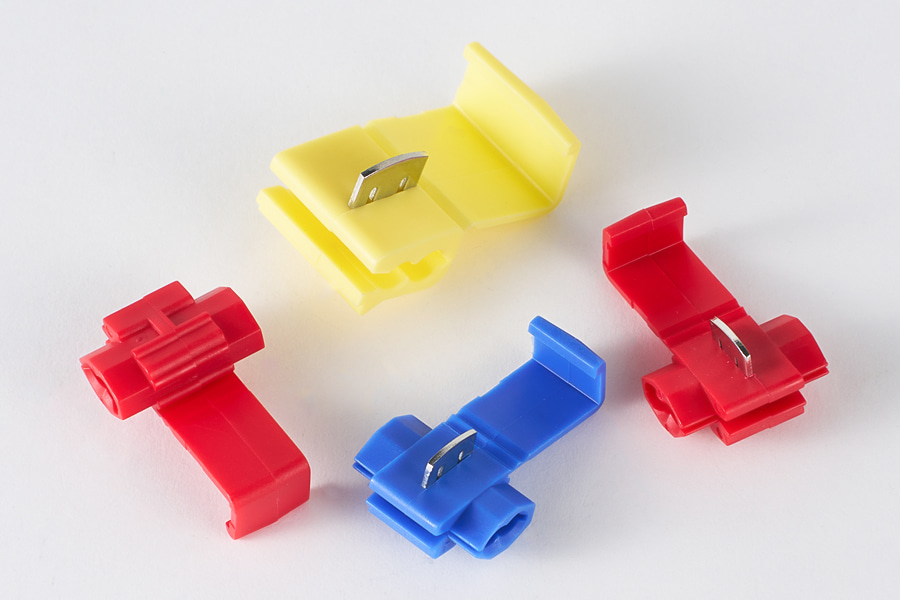
Proper conductor preparation before crimping or clamping an aluminum lug copper wire connection involves more than simply stripping insulation to expose bare conductor material. Aluminum strands benefit from wire brushing immediately before connection to remove the oxide layer that forms rapidly on exposed aluminum surfaces, and installers skipping this preparation step risk trapping oxide material within the connection interface even when an antioxidant compound gets applied afterward.
Strand alignment also matters more for aluminum than copper, since aluminum's stiffer mechanical properties make it less forgiving of strand splay or uneven distribution within the lug barrel during insertion. Installers working with aluminum lugs and copper wire connections take more care, ensuring all strands enter the barrel cleanly and evenly before crimping, since a poorly seated strand bundle creates uneven pressure distribution during the crimping process that a similarly careless approach might not visibly affect on a more forgiving copper conductor.
Connector Selection Based On Conductor Gauge
Barrel sizing precision matters more for aluminum terminations than for copper, since aluminum's lower tensile strength relative to copper means a barrel providing inadequate strand fill compromises connection integrity more noticeably than a similar mismatch would on a copper conductor. Suppliers producing aluminum lugs and copper wire connectors across a full gauge range maintain tighter barrel-to-conductor sizing tolerances specifically for this reason, avoiding the connection weakness that oversized barrel clearance introduces on aluminum conductor terminations.
Buyers sourcing connectors for a mixed aluminum and copper wiring project request gauge-specific product recommendations rather than assuming a single connector line covers every wire size adequately, since barrel tolerance requirements shift meaningfully as conductor gauge increases toward heavier service entrance cable sizes common in residential and light commercial electrical work.
Verification Testing After Installation
Contractors completing large-scale aluminum wiring termination projects increasingly perform post-installation resistance testing across a sample of completed connections, verifying that torque and preparation procedures produced connections meeting expected electrical resistance targets before considering the installation complete. This verification step catches installation errors before they become field failures discovered months or years later during routine electrical service, giving contractors a documented quality check they retain alongside project completion records for the property owner.
Training And Standardization Across Contracting Crews
Electrical contracting companies managing crews with varying experience levels increasingly standardize aluminum lugs copper wire termination procedures through written protocols and hands-on training, recognizing that inconsistent technique across different crew members introduces reliability variation that a single standardized procedure helps eliminate across a company's full portfolio of completed installations.
Documented training records also support warranty claims and liability protection for contracting companies, since a documented procedure followed consistently across crews gives a company clearer grounds for addressing a connection failure attributed to a product defect rather than an installation error. Companies investing in this level of process documentation increasingly find it useful during insurance reviews and client disputes, where demonstrating a consistent, industry-standard termination process across every job strengthens the contractor's position regardless of whether a specific connection issue eventually traces back to installation technique or a defective component supplied by the manufacturer.
