


 English
 Español
 Deutsch
If you need any help, please feel free to contact us
In today’s globalized electrical and electronics market, component selection is no longer just about functionality—it is...
READ MORE


cddqlj@163.com
sales001@cddqlj.com
sales005@cddqlj.com

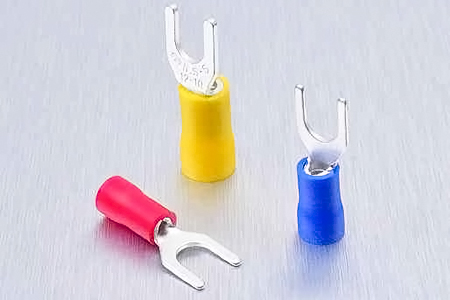
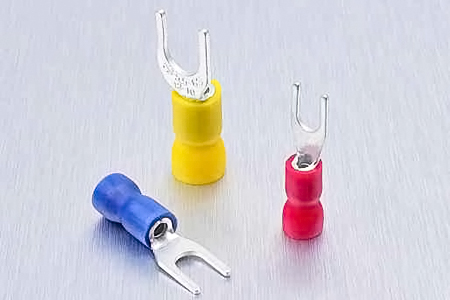
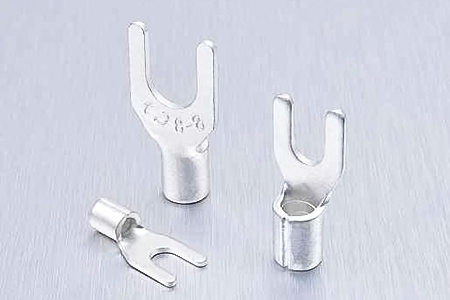
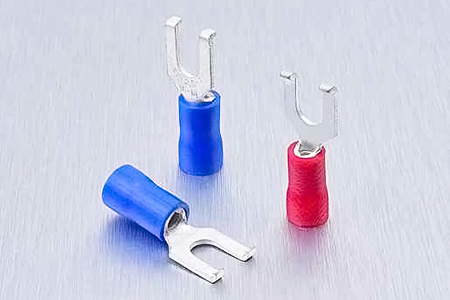
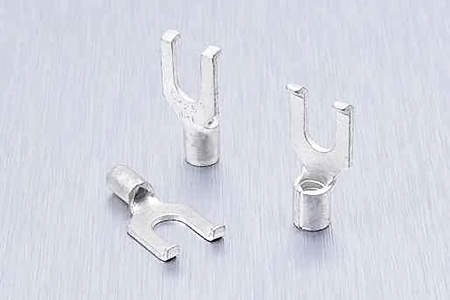
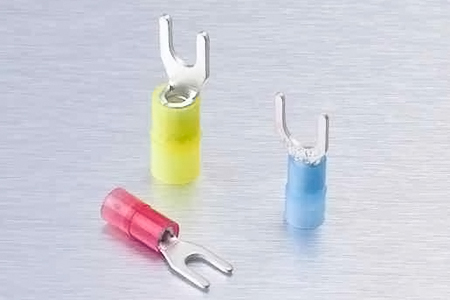
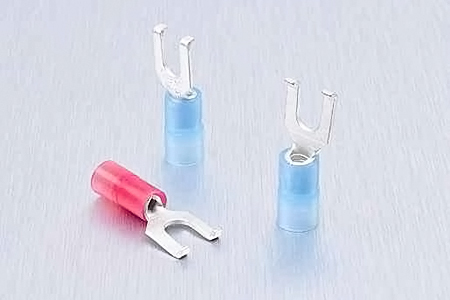
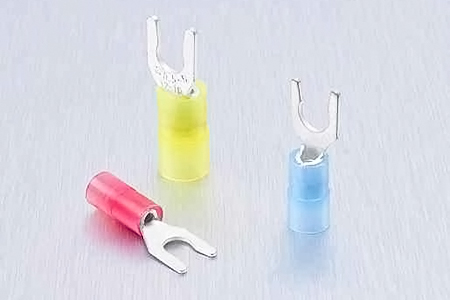
A spade terminal is a type of connector that features a forked, open-ended design, making it easy to attach to screws, bolts, or studs. This versatile connector allows for a quick and secure electrical connection while providing the flexibility of disconnection when required.
1. Key Features of Spade Terminals
Forked Shape:
Our spade terminals feature a unique fork-like design that easily slides onto screws, bolts, or studs, creating a secure electrical connection. This forked structure allows for simple installation and removal, ideal for applications where connections may need to be frequently disconnected or replaced.
Available in Various Sizes and Materials:
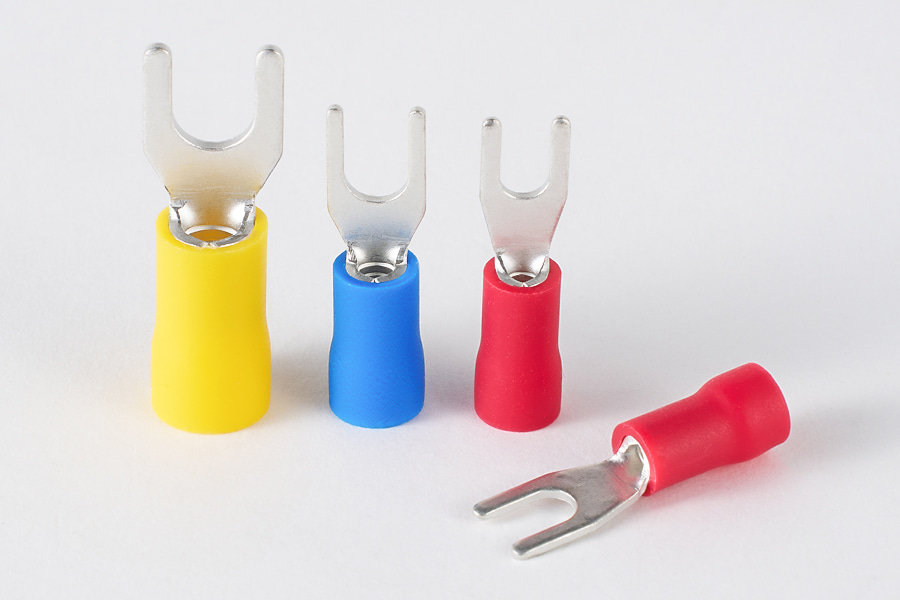
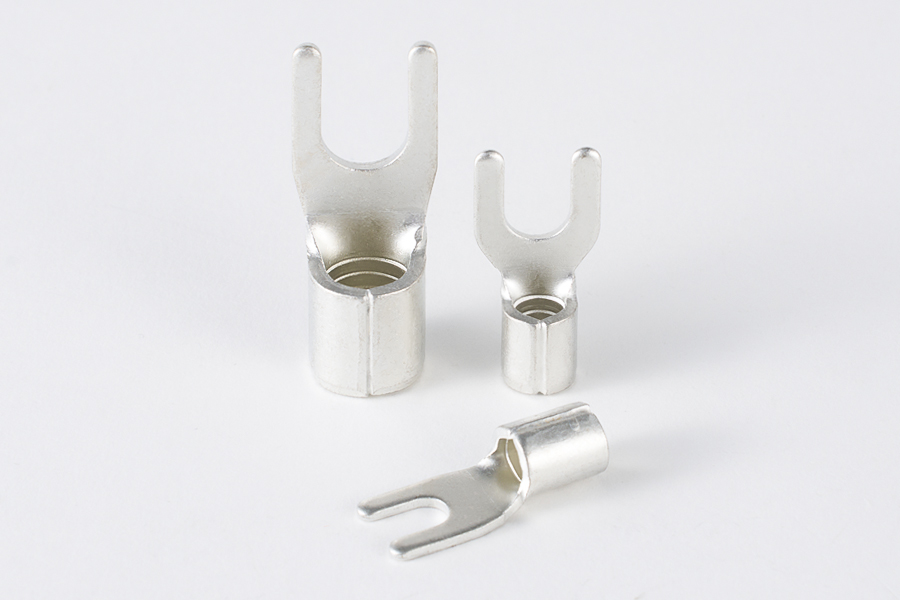
We offer a wide range of spade terminals in various sizes to accommodate different wire gauges. Additionally, our terminals come in both insulated and non-insulated options, giving you flexibility depending on the requirements of your electrical system. Our terminals are manufactured using high-quality copper, ensuring nice conductivity and corrosion resistance.
Durable and Long-Lasting Construction:
Constructed from high-grade copper and other materials, our spade terminals are built to withstand wear and tear, even in challenging environments. They provide stable and reliable electrical connections over the long term, ensuring that your systems continue to perform at optimal levels.
Color-Coded Insulation (for Insulated Versions):
For the insulated spade terminals, we use color-coded insulation to help you easily identify the terminal size and ensure proper installation. This feature improves the safety and convenience of your electrical connections by preventing incorrect wiring.
2. Applications of Spade Terminals
Automotive Electrical Systems: Spade terminals are frequently used in the automotive industry for wiring harnesses, battery connections, and electrical component installations. They offer an easy and secure way to connect wires to studs or screws in vehicles, ensuring that your car’s electrical systems remain functional and efficient.
Power Distribution Panels: Our spade terminals are commonly used in power distribution panels and circuit boards, providing reliable connections between components. The forked design allows for quick connection to busbars or other terminal points, ensuring that power flows smoothly and efficiently.
Industrial Machinery: In industrial settings, where heavy machinery and equipment require consistent electrical connections, our spade terminals play a critical role in ensuring safe and stable power transfer.
Home Appliances and Electronics: For electrical repairs and installations in home appliances or smaller electronics, our spade terminals are the ideal choice. They are easy to use in tight spaces and allow for secure connections that improve the reliability and safety of electrical systems.
4. Why Choose Our Spade Terminals?
High-Quality Materials: We source premium-grade copper and insulation materials to ensure that each spade terminal we provide meets high standards of quality.
Customizable Options: We understand that different applications require different specifications, which is why we offer spade terminals in a variety of sizes, materials, and configurations.
Competitive Pricing: We offer our spade terminals at competitive prices without compromising on quality. By choosing our products, you gain access to high-performance electrical connectors that deliver value for money.
Customer Support: Our dedicated customer support team is always available to help you with any questions or concerns. We are committed to ensuring that our spade terminals meet your expectations and provide you with the support you need throughout the purchasing process.
Yueqing Chaodao Electrical Connection Co., Ltd. is a China Spade Terminal Manufacturer and Sale Spade Terminal Factory. It is a company specializing in the design, development and production of electrical terminal blocks and related accessories. The company refers to the technical standards and quality requirements of advanced industrial countries, takes customer needs as the center, takes safety, environmental protection, high efficiency and stability as the concept, regards quality as life, and innovates in science and technology to provide high-quality products and supporting services for various industries such as electricity, machinery, industry, aviation, construction, communication equipment, automobile manufacturing, and home appliances.
In today’s globalized electrical and electronics market, component selection is no longer just about functionality—it is...
READ MOREAs global industries move toward smarter automation and electrification, the demand for dependable electrical connection...
READ MOREIn modern industrial and automotive applications, the reliability of electrical connections is a top concern for enginee...
READ MOREIn today’s fast-evolving electrical and electronic markets, reliable connection solutions are more critical than ever. P...
READ MORESpade wire terminal connectors are one of the widely used electrical components, providing secure and convenient wire-to-wire or wire-to-device connections. Their simple, efficient design and flat, forked shape make them easy to connect and remove in residential and industrial wiring systems. Learning how to use them correctly is crucial to ensuring robust electrical performance and long-term safety.
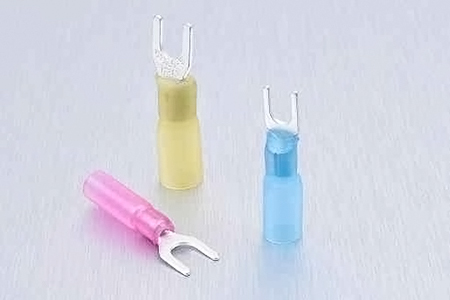
Selecting the appropriate spade connector based on wire gauge and insulation type ensures a secure connection and prevents loose or unstable connections. Spade terminals are available in insulated, uninsulated, and heat-shrink types, each designed to meet different environmental and safety requirements. Insulated types are suitable for general applications, while heat-shrink spade connectors provide additional protection against moisture, vibration, and corrosion.
After selecting the correct terminal, carefully strip the wire insulation (usually approximately 1/4 inch (6 mm)), ensuring the copper wire remains intact. Insert the stripped wire into the barrel of the spade connector until it completely covers the copper wire. Use a crimping tool to apply even pressure to secure the wire within the connector. A proper crimp should create a tight mechanical connection, securely holding the wire without damaging it.
After crimping, it's recommended to visually inspect the connection and perform a light pull test to ensure it's secure. For insulated or heat-shrink terminals, heating the insulation provides an additional seal. Finally, attach the spade terminal to the electrical device or terminal block by sliding the open end of the spade terminal over the screw or stud and tightening it securely.
The open fork design makes it easy to slide under or remove from a screw or stud terminal without completely removing the fastener. However, caution must be exercised when disconnecting to avoid damaging the wires, connector, or terminal blocks.
Before attempting to disconnect a fork connector, ensure safety—make sure the circuit power is off. Working on a live electrical system could result in a short circuit or electric shock, so ensuring the circuit is de-energized is crucial.
After ensuring the circuit is safe, use a screwdriver to slightly loosen the terminal screw. Unlike ring connectors, which require complete screw removal, fork terminals only need to be loosened enough for the fork terminal to slide freely. Avoid excessive loosening or pulling the connector with force, as this can deform the terminal or damage the wiring.
After loosening, grasp the wire insulation near the terminal and gently slide the fork connector away from the screw or stud. Pulling on the wire itself can weaken the crimp or break the conductor strands. If the connector feels stuck, inspect for corrosion, oxidation, or overtightening that may have caused it to stick. In this case, carefully rotate or wiggle the connector until it loosens.
When performing maintenance or replacement, inspect the fork connector after disassembly. Check for signs of discoloration, wear, or bent prongs, as these may indicate poor contact or overheating during use. Damaged connectors should always be replaced rather than reused to ensure safe and efficient performance. When reconnecting, clean the connector and terminal surfaces to maintain conductivity.
The reliability of electrical spade terminals depends largely on proper installation, material quality, and environmental conditions. When used correctly, spade terminals are highly reliable connectors, providing strong mechanical stability and consistent electrical performance across a wide range of applications.
The flat, forked blades securely connect to screw terminals, ensuring low-resistance contact. At the same time, their construction allows for easy disconnection when maintenance or system reconfiguration is required. This combination of safety and flexibility makes them popular in automotive, home, and industrial circuits.
High-quality spade connectors are typically made of copper, brass, or tin-plated metal, all of which offer conductivity and corrosion resistance. Insulated connectors provide additional protection against moisture, vibration, and accidental shorts, especially in outdoor or high-vibration environments. For demanding applications, heat-shrink insulated spade connectors further enhance connector durability by sealing the connection area against dust and moisture.
Using the proper crimping tool ensures a tight, gap-free connection between the wire and terminal, resistance and heat buildup. A loose crimp can cause arcing, while over-crimping can weaken the wiring harness. Following the manufacturer's recommendations for crimp pressure, wire stripping length, and connector size ensures consistent results.
In areas with high humidity or large temperature fluctuations, corrosion and oxidation can affect connection stability. Regular inspection and preventative maintenance (such as applying a protective coating or using sealed terminals) can mitigate these effects and extend connector life.
Copyright © Yueqing Chaodao Electrical Connection Co., Ltd.

Fork Electrical Connectors Custom