


 English
 Español
 Deutsch


Electricians handling service upgrades on older aluminum wiring run into a compatibility question that copper-focused catalogs rarely address clearly: whether a standard copper lug performs safely when crimped onto an aluminum conductor. Suppliers fielding this question point out that quick cable lugs designed specifically for aluminum use different internal coatings and barrel geometry than the copper-rated versions sold alongside them on the same shelf.
Galvanic Corrosion At Dissimilar Metal Joints
Copper and aluminum in direct contact form a galvanic cell in the presence of moisture, gradually corroding the aluminum conductor at the point of contact inside a standard copper lug barrel. Manufacturers producing aluminum-rated quick cable lugs address this by lining the barrel with an antioxidant compound or using a tin-plated aluminum body instead of bare copper, preventing the dissimilar-metal reaction that would otherwise degrade the connection over months of service.
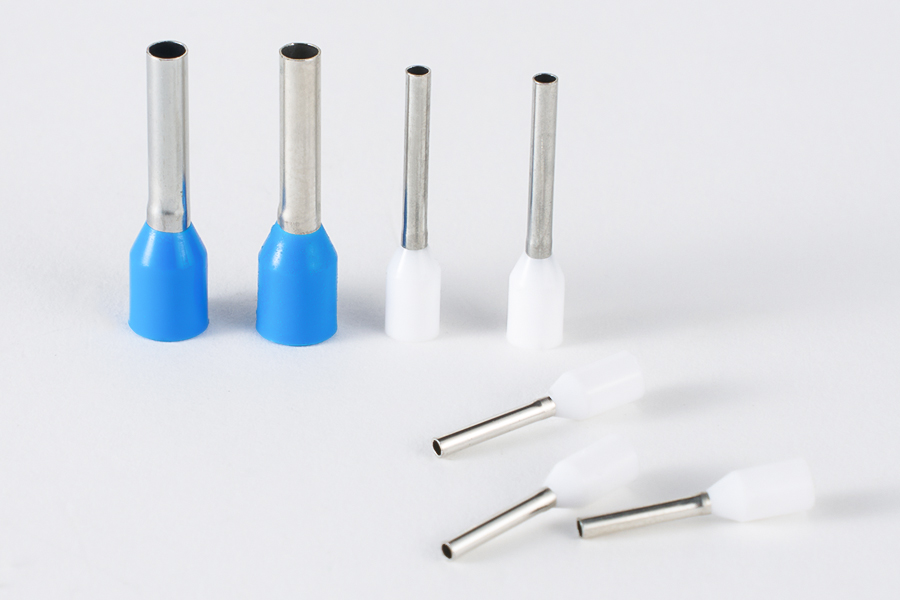
Installers working with aluminum service entrance cable need to confirm the lug they select carries an explicit aluminum rating rather than assuming a general-purpose lug covers both conductor types interchangeably. Suppliers now print conductor compatibility directly on quick cable lugs packaging, a labeling change driven by inspection failures traced back to copper-rated lugs installed on aluminum runs during service panel upgrades.
Antioxidant Compound Application
Antioxidant paste applied inside the barrel before crimping fills microscopic gaps between the aluminum strands and the lug's interior surface, reducing the oxide layer buildup that otherwise increases resistance at an aluminum connection over time. Factories supplying quick cable lugs pre-filled with an antioxidant compound save installers a field application step, though the paste needs even distribution across the full barrel length rather than concentration near the entry point, since uneven coverage leaves portions of the aluminum strand exposed to oxidation.
|
Conductor Type |
Recommended Lug Coating |
Corrosion Risk Without Coating |
|
Solid copper |
Tin-plated copper |
Low |
|
Stranded aluminum |
Antioxidant-filled, aluminum body |
High |
|
Copper-clad aluminum |
Compatible dual-rated coating |
Moderate |
|
Tinned copper marine cable |
Marine-grade tin plating |
Low to moderate |
Barrel Geometry For Softer Conductor Material
Aluminum conductor strands deform differently under crimping pressure than copper strands, since aluminum work-hardens faster and can crack under excessive crimping force, where copper would simply compress further. Barrel wall thickness on quick cable lugs rated for aluminum accounts for this by using a slightly different crimp profile than copper-rated lugs of the same gauge, distributing crimping force more evenly across the barrel circumference to avoid stress concentration at a single point along the aluminum strand bundle.
Crimping tool die selection matters just as much as lug design here, since a die calibrated for copper crimp profiles applied to an aluminum-rated lug can either under-compress the barrel or crack brittle aluminum strands depending on how far the mismatch runs. Suppliers now recommend confirming die compatibility against the specific lug's aluminum rating before a bulk crimping job begins, rather than relying on gauge size alone to select the correct die.
Torque Specifications At The Termination Point
Aluminum connections at a panel or terminal block require torque values distinct from copper terminations, since over-torquing an aluminum lug connection can cause cold flow — a slow deformation under sustained pressure that loosens the connection over time even without added vibration or thermal cycling involved. Electricians terminating quick cable lugs on aluminum service conductors follow torque specifications printed on the panel or lug packaging rather than applying a generic torque figure carried over from copper termination habits.
Field Inspection And Long-Term Reliability
Inspectors reviewing aluminum wiring installations increasingly check for lug-conductor compatibility documentation during service panel inspections, particularly on older properties where a prior electrician may have installed quick cable lugs without confirming aluminum compatibility. Suppliers responding to this inspection trend now bundle compatibility certification with bulk aluminum-rated lug orders, giving contractors documentation ready for inspection without a separate request back to the manufacturer.
Thermal imaging surveys conducted during routine maintenance also help flag a mismatched lug before it fails outright, since a poorly matched connection between copper and aluminum tends to run measurably warmer under load than a properly rated joint nearby on the same panel. Facilities managers overseeing older commercial buildings have started scheduling periodic thermal scans specifically at aluminum termination points, treating an elevated temperature reading as an early warning rather than waiting for a visible failure or tripped breaker to prompt an inspection. Suppliers of aluminum-rated lugs report growing interest from these facilities teams in bulk replacement programs that swap mismatched copper lugs for properly rated aluminum-compatible versions across an entire panel schedule during a single planned maintenance window, rather than replacing individual connections one at a time as problems surface.
