


 English
 Español
 Deutsch


Electrical systems are becoming more compact, more complex, and more demanding than before. From industrial control cabinets to renewable energy equipment and automated production lines, modern electrical installations now operate under higher vibration, tighter wiring layouts, and longer daily operating hours. Because of this, connection reliability has become a growing concern for contractors, panel builders, and maintenance engineers.
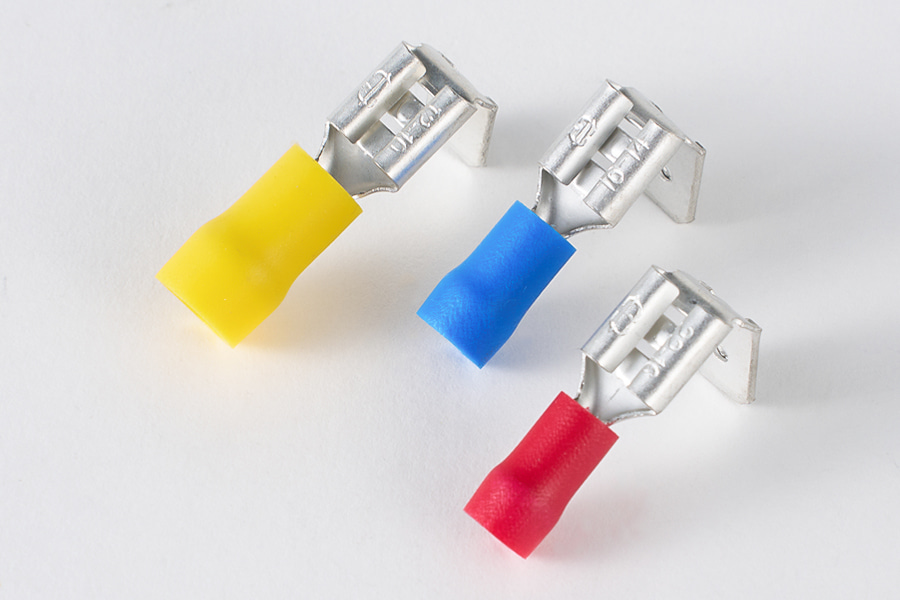
Many electrical failures no longer come from major component damage. Instead, they begin with small connection problems such as loose conductors, unstable crimping, overheating terminals, or poor wire contact inside distribution systems. This is one reason buyers are paying much closer attention to terminal quality during procurement.
Poor Wire Contact Still Causes Frequent Maintenance Problems
In many industrial environments, unstable wire connections create problems that are difficult to detect during early installation stages. Systems may appear stable during testing, but after months of vibration, temperature change, or heavy electrical load, poor contact areas begin generating heat and resistance.
Maintenance teams often report:
- loose conductor strands inside terminals
- overheating connection points
- unstable signal transmission
- wire breakage after repeated vibration
- difficult maintenance during cabinet repair
- These issues are especially common in:
- industrial automation panels
- solar power systems
- EV charging equipment
- HVAC control cabinets
- factory distribution boxes
Because of these risks, more contractors are specifying Insulated Ferrules Terminals to improve conductor stability and reduce strand damage during installation.
Compact Electrical Panels Require Better Connection Stability
Modern electrical cabinets are becoming smaller while carrying more wiring density. This creates additional pressure on terminal performance because conductors are packed more closely together than before.
In compact systems, poor crimping or unstable contact can lead to:
- difficult troubleshooting
- higher operating temperatures
- wire loosening during vibration
- inconsistent electrical transmission
- reduced maintenance efficiency
As a result, engineers are increasingly searching for:
- insulated bootlace ferrules
- copper wire ferrules for control panels
- vibration-resistant wire terminals
- terminal connectors for industrial wiring
- ferrules for DIN rail cabinet systems
Products such as Electrical Wire Terminals are now selected not only for conductivity, but also for installation efficiency and long-term maintenance reliability.
Renewable Energy Projects Are Increasing Demand for Reliable Connections
Renewable energy systems continue expanding globally, especially in solar and energy storage installations. These projects often operate outdoors or under changing temperature conditions, placing more pressure on electrical connection stability.
Procurement teams involved in solar projects commonly search for:
- terminal connectors for solar systems
- insulated ferrules for inverter wiring
- wire terminals for battery storage systems
- corrosion-resistant electrical terminals
In these environments, unstable connections may increase maintenance frequency and reduce system reliability over time.
Because renewable energy projects are expected to operate continuously for years, buyers are becoming more cautious about terminal quality and material consistency.
Buyers Are Paying More Attention to Material Quality
Electrical contractors and panel builders are also becoming more selective about raw material standards. Low-quality metal materials may create higher resistance or weaker crimping performance after long-term use.
Professional buyers commonly evaluate:
- copper purity consistency
- insulation sleeve durability
- crimping stability
- corrosion resistance
- dimensional accuracy
- compatibility with automated crimping tools
For many industrial projects, stable material quality matters more than low initial purchasing cost because repair work inside operating systems can become expensive and time-consuming.
This is why many buyers prefer long-term cooperation with manufacturers capable of maintaining stable production control.
Electrical Connection Reliability Is Becoming More Important Across Industries
As electrical systems continue moving toward higher automation, compact layouts, and continuous operation, connection reliability is becoming a more critical part of system stability.
Contractors, engineers, and procurement teams are no longer viewing terminals as simple low-value accessories. Instead, they are treating connection components as important parts of long-term electrical performance and maintenance planning.
Manufacturers that focus on stable materials, precision production, and real installation requirements will remain better positioned as global demand continues growing for safer and more reliable electrical connection solutions.
