


 English
 Español
 Deutsch


A maintenance technician opened two outdoor electrical cabinets during a routine inspection.
Both cabinets had been installed around the same time.
Both operated in similar conditions.
Both carried comparable electrical loads.
Yet the condition of the cable terminations looked surprisingly different.
One set of connections showed visible discoloration and signs of surface oxidation. The other appeared relatively clean despite years of service.
The difference was not caused by the cable.
It was not caused by the equipment either.
The answer was found at the termination point.
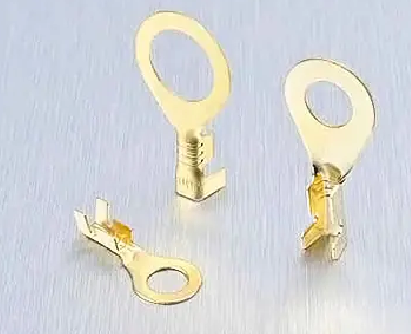
In electrical systems, attention often focuses on cables, breakers, and control devices. The components that connect those parts together receive far less discussion. Yet many experienced electricians know that long-term reliability is often influenced by details hidden behind a cover plate.
One example is the use of tinned copper wire lugs in environments where moisture, temperature changes, and air exposure are part of everyday operation.
The Problem Usually Starts At The Surface
Copper is valued because of its conductivity.
That is not a secret.
What receives less attention is what happens after years of exposure to real operating conditions.
A cable lug installed inside a perfectly controlled environment may experience very little change over time. Outdoor installations rarely enjoy those conditions.
Humidity changes daily.
Condensation appears unexpectedly.
Dust settles on exposed surfaces.
Small amounts of moisture find their way into electrical enclosures.
None of these factors seem particularly serious on their own.
Over long periods, however, they begin affecting exposed metal surfaces.
This is one reason why tinned copper wire lugs are commonly selected for applications where electrical connections must remain stable despite changing environmental conditions.
The thin tin coating does not change the function of the lug itself. Instead, it helps address what happens on the surface after installation.
Installation Quality Still Matters
It is easy to assume material selection alone determines the lifespan of a connection.
Field experience suggests otherwise.
A high-quality lug installed poorly can create problems.
An average lug installed carefully may perform surprisingly well.
Electricians frequently encounter issues that have little to do with the lug material and much more to do with installation practices.
Examples include:
- insufficient crimp pressure
- incorrect crimp tooling
- damaged conductor strands
- loose fastening hardware
- uneven contact surfaces
When these conditions exist, heat generation can increase regardless of the connector type being used.
A tinned copper wire lug can help maintain surface stability, but it cannot compensate for poor installation practices.
That is why many troubleshooting investigations begin by checking the connection itself rather than immediately replacing components.
Outdoor Equipment Creates Different Challenges
Electrical connections inside climate-controlled rooms often age differently from those installed outdoors.
Consider a roadside control cabinet.
Temperatures change between day and night.
Moisture levels fluctuate.
Rain, dust, and airborne contaminants become part of the environment.
In coastal areas, the situation becomes even more challenging due to salt exposure.
Maintenance personnel working in these environments often notice that connection hardware ages differently depending on both material selection and enclosure conditions.
Over time, small differences become easier to see.
A connection that remains stable year after year generally attracts little attention.
A connection showing discoloration or surface deterioration tends to become part of the maintenance schedule.
For this reason, tinned copper wire lugs are frequently associated with applications where environmental exposure cannot be completely controlled.
What Technicians Usually Notice
Electrical failures rarely begin with dramatic events.
More often, small warning signs appear first.
A slightly warmer connection.
Minor discoloration.
An unusual thermal image during inspection.
These early indicators provide opportunities to investigate before larger problems develop.
Interestingly, technicians often discover that the conductor itself remains in good condition while the termination point shows the first signs of aging.
This observation explains why connection hardware receives careful attention during maintenance planning.
A tinned copper wire lug occupies only a small part of an electrical system, yet the connection it creates may remain in service for many years. When current flow, environmental exposure, vibration, and operating temperatures interact over time, the condition of that connection becomes increasingly important.
The goal is not simply to create electrical contact on the day of installation. The challenge is maintaining that contact through seasons, weather changes, equipment cycles, and years of operation. In many real-world installations, that long-term perspective is what separates a connection that remains unnoticed from one that eventually becomes a maintenance issue.
