


 English
 Español
 Deutsch


A wiring problem does not always appear immediately.
In fact, some of the most frustrating electrical faults are the ones that pass inspection, survive initial testing, and then return weeks later. A lighting circuit begins flickering. A control cabinet experiences intermittent signals. A machine that operated normally during commissioning suddenly develops random shutdowns.
When technicians investigate these situations, the cause is sometimes traced back to a connection that looked perfectly acceptable on installation day.
Electrical systems contain thousands of connection points. Most work quietly for years. A small number become recurring maintenance items, often because the connection itself changes after installation.
This is one reason many electricians pay close attention to the type of connector being used rather than focusing only on the wire.
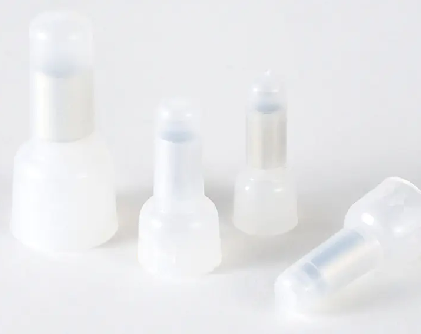
Among the options available for joining conductors, closed end crimp cap connectors are often selected for situations where installers want both mechanical retention and a protected wire end inside a single component.
Problems Often Begin Before The Circuit Is Energized
When people think about connection failures, they usually imagine heat, current, or overload conditions.
Yet many issues begin much earlier.
They begin during assembly.
A conductor may not be inserted fully.
Wire strands may spread during installation.
Two wires may sit unevenly inside the connector.
None of these conditions necessarily prevent a circuit from working.
The trouble appears later.
Vibration, temperature changes, and normal operation gradually expose small installation inconsistencies that were difficult to see initially.
Experienced technicians often notice that connection quality is influenced as much by installation consistency as by the electrical load itself.
This is where closed end crimp cap connectors are frequently used. Because the conductor ends are enclosed inside the connector body, installers can reduce the likelihood of exposed strands extending beyond the connection point.
The Cost Of Rework Is Usually Hidden
A loose connection may only take a few minutes to repair.
Finding it can take much longer.
Maintenance records from industrial facilities often show that troubleshooting consumes more time than the actual repair.
A technician might spend hours tracing wiring routes, checking terminals, and testing components before identifying a single problematic joint.
The direct cost of replacing a connector is usually small.
The indirect cost of downtime, production delays, and repeated inspections is often much larger.
For this reason, electrical contractors frequently evaluate connection methods not only by material cost but also by the likelihood of future maintenance.
A properly installed closed end crimp cap connector may help reduce the chance of conductor strands becoming displaced during assembly, which can simplify inspection and reduce the need for later corrections.
Vibration Changes Everything
Electrical drawings often show a system in a perfectly static condition.
Real installations rarely remain static.
Motors start and stop.
Fans operate continuously.
Pumps cycle throughout the day.
Equipment frames vibrate.
Transportation systems move repeatedly.
Over time, these conditions place stress on electrical connections that may not be obvious during installation.
A connection that performs well on a workbench can face very different conditions once equipment enters daily operation.
This is one reason maintenance personnel often inspect connection points when troubleshooting vibration-related issues.
In environments where movement is part of normal operation, installers may choose closed end crimp cap connectors because they provide a compact method of joining conductors while helping keep wire ends contained inside the connector body.
What Inspectors Usually Notice First
Electrical failures rarely begin with dramatic symptoms.
More commonly, inspectors discover small warning signs.
A connection that feels warmer than surrounding wiring.
Minor discoloration.
An unusual reading during routine testing.
A conductor that shifts slightly when examined.
These observations often appear long before a complete failure occurs.
Interestingly, inspectors frequently focus on connection quality rather than the cable itself. The conductor may remain in excellent condition while the joint becomes the weakest point in the circuit.
That reality explains why connection methods receive considerable attention during electrical design and installation planning.
A closed end crimp cap connector occupies very little space inside a junction box or control panel, yet its role extends beyond simply joining wires together. Over months and years of operation, the quality of that connection can influence maintenance frequency, troubleshooting time, and overall system reliability.
The objective is not merely creating a working circuit on the day of installation. The objective is creating a connection that continues performing after vibration, temperature changes, and daily operation have tested it thousands of times.
