


 English
 Español
 Deutsch


Industrial electrical projects are becoming more demanding as factories, energy systems, and automated equipment continue moving toward higher wiring density and longer operating cycles. In many modern installations, contractors are expected to complete wiring work faster while maintaining stable electrical performance under vibration, temperature changes, and continuous daily operation.
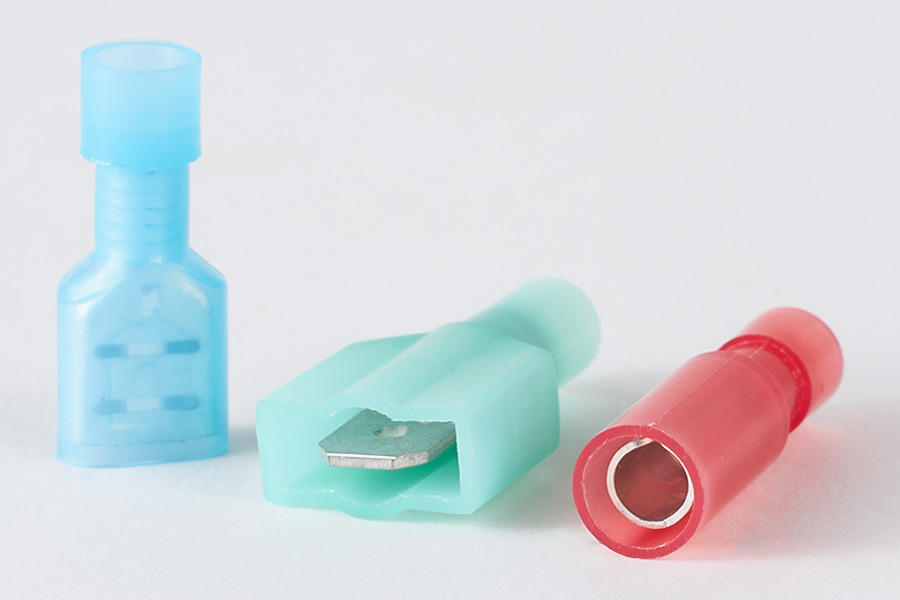
Because of this, electrical connection reliability has become a larger concern during both equipment manufacturing and on-site installation. Buyers are no longer focusing only on cable specifications or control components. More attention is now being placed on the smaller connection parts that directly affect long-term system stability.
Loose Conductors Still Cause Unexpected Downtime
In many industrial environments, small wiring problems can eventually lead to larger maintenance issues. One loose conductor inside a crowded control cabinet may create unstable current flow, abnormal heat buildup, or intermittent equipment failure after months of operation.
Maintenance engineers frequently encounter:
- damaged wire strands during installation
- unstable crimping pressure
- conductor loosening caused by vibration
- overheating at terminal points
- difficult troubleshooting in compact cabinets
These problems are especially common in:
- automated production lines
- elevator control systems
- industrial robotics
- HVAC equipment
- power distribution panels
Because of these risks, many installers now use Insulated Ferrules Terminals to improve conductor protection and maintain more secure wire insertion during long-term operation.
Automation Equipment Requires Cleaner Wiring Layouts
Modern automation systems contain more sensors, controllers, and communication modules than older industrial equipment. This creates tighter wiring spaces and increases the importance of organized cable management.
Poorly prepared conductors can lead to:
- uneven wire insertion
- difficult maintenance access
- slower installation work
- unstable signal transmission
- higher risk of short circuits
To improve installation consistency, many panel builders now prefer Electrical Wire Terminals that support cleaner conductor organization inside compact control cabinets.
Engineers are increasingly searching for:
- ferrules for PLC wiring
- insulated terminals for automation panels
- industrial wire connector solutions
- crimp terminals for control cabinets
These searches reflect growing demand for wiring systems that are easier to install and maintain.
Faster Installation Is Reducing Labor Pressure
Electrical contractors are also dealing with tighter project schedules and rising labor costs. In large industrial projects, small improvements in wiring speed can significantly affect overall installation efficiency.
One reason pre-insulated connection products are becoming more common is that they simplify repetitive wiring tasks.
Installers often mention several practical advantages:
Faster Wire Preparation
Helps reduce manual adjustment during crimping.
Better Conductor Protection
Prevents loose strands from spreading during insertion.
Cleaner Panel Appearance
Improves cable organization inside cabinets.
Easier Future Maintenance
Technicians can identify and replace wiring more efficiently.
These practical benefits become especially important in export equipment manufacturing and large-scale electrical assembly work.
Because renewable energy installations often operate outdoors, corrosion resistance and conductor stability are becoming more important during supplier selection.
Stable Production Quality Matters More Than Low Pricing
Distributors and OEM buyers increasingly prefer suppliers capable of maintaining stable quality across multiple shipments. In large industrial projects, inconsistent terminal dimensions or unstable crimping performance can create costly installation delays.
Common buyer concerns include:
- batch consistency between orders
- export packaging protection
- lead time reliability
- production process stability
- compliance with international standards
For many buyers, working with an experienced manufacturer reduces operational risk more effectively than simply sourcing the lowest-priced products.
Industrial Wiring Systems Are Becoming More Precision-Focused
As industrial systems continue moving toward automation, compact design, and continuous operation, electrical connection quality is becoming more important across multiple industries.
Contractors and engineers now expect connection products to support not only conductivity, but also installation speed, vibration resistance, and easier long-term maintenance.
Manufacturers that focus on stable production control and practical installation requirements will remain more competitive as global demand continues growing for reliable industrial wiring solutions.
